
Indoor Air Quality Services in Clanton, AL
The air moving through a home’s HVAC system affects a lot more than temperature. Dust, allergens, and humidity swings all pass through the same ductwork that heats and cools a house, and central Alabama’s mix of humid summers and pollen-heavy seasons puts extra strain on a home’s ability to keep that air clean and balanced.
At Giles Cooling & Heating, our technicians can assess how your current system is handling filtration and humidity, and recommend solutions that address what’s actually going on in your home rather than a one-size-fits-all fix. That starts with understanding your household’s specific concerns, from allergy symptoms to a home that always feels a little too damp or dry.
Plan Your Air Quality Appointment
Signs Your Indoor Air Quality Needs Attention
Poor indoor air quality doesn’t always announce itself clearly, but a few common signs tend to show up first. Consider having your system evaluated if you notice:
Reach out to the Giles team to discuss air quality upgrades for your home to reduce allergens, minimize HVAC strain, and improve overall daily comfort.
How Filtration and Humidity Control Work Together
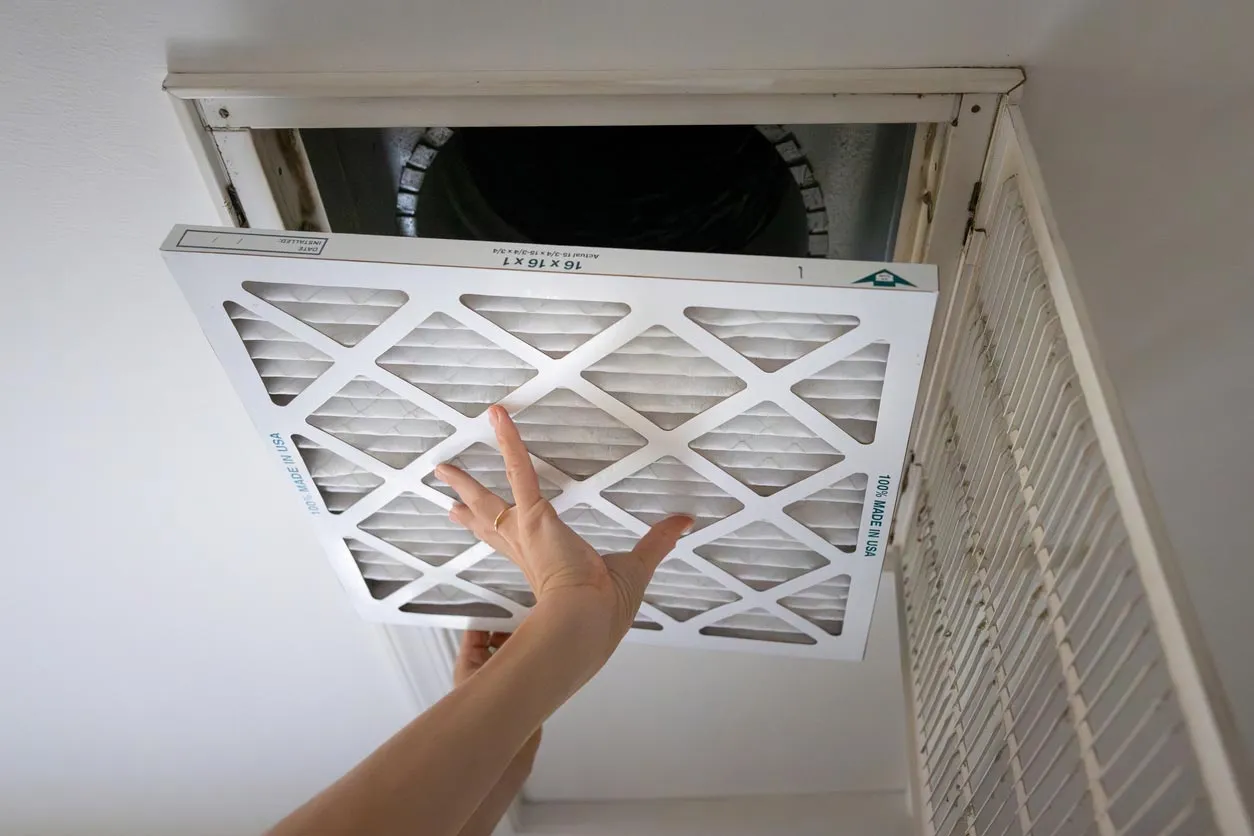
Filtration and humidity control address two different parts of the same problem. Filtration deals with what’s actually in the air, capturing dust, pet dander, and other particles before they circulate through your home. Humidity control manages moisture levels, keeping a home from feeling too damp during Alabama’s humid months or too dry once the heat kicks on in winter.
Addressing both together tends to produce better results than tackling just one. A home with excess humidity, for instance, can make airborne particles feel more noticeable, while air that’s too dry can aggravate allergy symptoms that filtration alone won’t fix. Our technicians can walk through which combination makes sense for your household.
What Homeowners Say About Their HVAC Results
Indoor Air Quality Questions From Central Alabama Homeowners
A few questions come up often when homeowners start looking into indoor air quality, so we’ve answered some of the most common ones below.
Common indicators include ongoing dust buildup, allergy symptoms that seem worse indoors than outdoors, or rooms that feel noticeably humid or dry compared to the rest of the house. A technician can take a closer look at your system and help pinpoint what’s contributing to the issue.
A few options exist beyond standard filtration, depending on what your home needs most. Common systems homeowners consider include:
- Dehumidifiers to manage excess moisture
- Humidifiers to address dry winter air
- UV lights installed within the HVAC system to target airborne contaminants
- Upgraded air purification systems for finer particle filtration
Reach out to our team to discuss which options we can source and implement for your home.
Every system includes some level of basic filtration, but the effectiveness varies depending on the filter type and how well it’s maintained. Homes with specific concerns, like allergies or excess humidity, often benefit from additional filtration or humidity control beyond what a standard filter provides.
Yes. Air that’s too humid can make a home feel warmer than the thermostat setting suggests, while air that’s too dry can lead to static, dry skin, and irritated sinuses. Balancing humidity often makes a noticeable difference in how comfortable a home feels day to day.
It can, though the effect depends on what’s installed and how your system was performing beforehand. Balanced humidity, for example, can make a home feel comfortable at a less extreme thermostat setting, which may ease the load on your system.
Yes, in some cases. For example, excess humidity can put added strain on a cooling system, while heavy dust buildup can restrict airflow over time and make a system work harder than it should. Addressing air quality issues alongside regular HVAC care can help your system run the way it’s meant to.

Better Air Starts With the Right Assessment
Clean, balanced indoor air makes a home more comfortable in every season, whether that means less dust circulating or fewer humidity swings between summer and winter. Our team can look at what your system is currently handling and recommend solutions built around your household.
Reach out online or give us a call to get started.